 EN
EN
EN
EN
 ES
ES

Family Med & Urgent Care Clinic













Aortic Stenosis – Z-2-H Family Med & Urgent Care Clinic®
Professional In-Clinic Heart Valve Evaluation & Management
At Z-2-H Family Med & Urgent Care Clinic®, our clinicians provide comprehensive evaluations for aortic stenosis. We assess cardiac function, monitor for valve narrowing, review symptoms, recommend echocardiography, and guide treatment plans in a safe clinical setting.
We accept most major insurance plansWhat Is an Aortic Stenosis Evaluation?
An aortic stenosis evaluation helps determine if the aortic valve is narrowed, affecting blood flow from the heart. During your visit, your provider will:
What We Review During Your Consultation:
- Chest pain, shortness of breath, or fatigue
- Palpitations, dizziness, or fainting episodes
- Heart murmur detection and cardiac history
- Recommendations for echocardiography or cardiac imaging
- Guidance on medications, monitoring, or cardiology referral
Why Early Evaluation Matters
In-clinic evaluation ensures accurate assessment of aortic valve function. Z-2-H Family Med & Urgent Care Clinic® providers help patients manage symptoms and plan treatment.
- Identify symptoms of aortic valve narrowing
- Determine the need for imaging or cardiology referral
- Monitor cardiac function and symptom progression
- Receive guidance on medications and lifestyle adjustments
What to Bring to Your Visit
To make the most of your appointment, please bring:
- A list of medications and supplements you take
- Your insurance card (remember, we accept all insurances)
- A photo ID
- Any previous medical records or test results
We Accept All Major Insurances
At Z-2-H Family Med & Urgent Care Clinic®, we accept Medicare, Texas Medicaid, Blue Cross Blue Shield, Aetna, UnitedHealthcare, Cigna, Curative, Oscar, Baylor Scott & White Health Plan, Care N Care, Tricare, Wellcare, Molina, Superior HealthPlan and many other commercial insurance plans using our billing company DK Physicians PLLC.













Providers
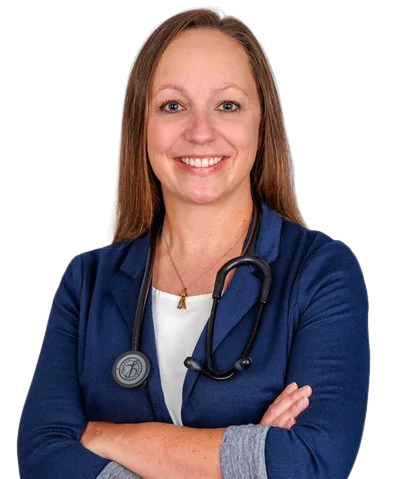
Meet Our Medical Staff
Z-2-H Family Med & Urgent Care Clinic®
provides comprehensive healthcare services for every member of your family, from the youngest to the oldest.
Our dedicated team includes Board Certified Family Medicine physicians and Physician Assistants













Reviews
What People Are Saying
Google Review 4.5/5.0 (420+ reviews)

Angelique M.

Every one here was so nice! I have a lot of anxiety and they made me feel so comfortable and heard. Beautiful facility too! Vey clean!
March 2024
Barbara W.
Took my elderly mother, who is also a cancer patient there looking for a primary care doctor. I have 30 years of experience under my belt of dealing with medical professionals, and I don't give 5 stars easily. The place was immaculate, and we were greeted with smiles when we walked through the door.
August 2023
Tehila M.
Dr. Pillai was very kind and thorough. This is our second visit at this facility. Everyone is very kind and attentive.
I would absolutely recommend this facility and the doctors.
April 2024
Lee J.
First timer.. Phone staff was professional, friendly and informative. PA at tge off was very pleasant, showed concern in helping me. The doctor was personable, make me feel at easy with diagnosis and treatment.
It was a very good experience. Thank You
January 2024
Almaa S.
Both The Dr. & The Receptionist Were Very Nice & Seemed To Care About What You Have To Say !
July 2024
Frequently Asked Questions (FAQs)
Z-2-H Family Med & Urgent Care
What is aortic stenosis?
Aortic stenosis is the narrowing of the aortic valve, restricting blood flow from the heart and increasing cardiac workload.
Who is at risk?
Individuals with congenital valve abnormalities, age-related calcification, rheumatic fever, or heart disease may be at increased risk.
What symptoms indicate a need for evaluation?
Chest pain, shortness of breath, fatigue, palpitations, dizziness, or fainting may suggest aortic stenosis.
How is the condition diagnosed?
Physical examination, echocardiography, and sometimes advanced imaging are used to assess valve narrowing and severity.
Can mobile visits detect aortic stenosis?
Mobile providers can evaluate symptoms and perform preliminary assessments, but echocardiography is needed for definitive diagnosis.
What treatments are available?
Treatment may include monitoring, medications for heart function, or referral for valve repair or replacement if severe.
Is aortic stenosis dangerous?
Severe untreated stenosis can lead to heart failure, arrhythmias, or sudden cardiac events. Early evaluation improves outcomes.
Will insurance cover evaluation?
Most major insurance plans are accepted. Staff can verify coverage and provide self-pay options if needed.
Can children have aortic stenosis?
Yes, congenital aortic stenosis can occur in children, but age-related valve narrowing is more common in adults.
How are follow-up visits managed?
Follow-up includes periodic cardiac assessments, imaging, and ongoing management of symptoms and cardiac function.
Are telehealth consultations helpful?
Telehealth can be used for initial symptom assessment and guidance, but in-person imaging is required for diagnosis.